havard’s nursing guide to drugs
Harvard Nursing School Overview
Harvard Nursing School, part of Harvard University, integrates rigorous drug education into its curriculum. Accredited by the Commission on Collegiate Nursing Education, it emphasizes evidence‑based practice, patient safety, and interdisciplinary collaboration.
Simulation labs raise confidence
Accreditation, Mission, and Drug Education Focus
Harvard School of Nursing, a constituent of Harvard University, holds accreditation from the Commission on Collegiate Nursing Education (CCNE) New England Commission of Higher Education. This endorsement confirms that the program meets standards in faculty qualifications, curriculum integrity, and graduate outcomes
The school’s mission is to cultivate nurses who can lead in practice, research, and policy, with a commitment to health equity. It strives to produce practitioners who can translate complex pharmacological knowledge into safe, effective patient care across diverse settings
Drug education is central to the curriculum. Students engage in evidence‑based pharmacology modules covering drug mechanisms, therapeutic indications, adverse effect profiles, and and ! collaboration. Simulation labs and learning enable application of medication management principles
Clinical rotations emphasize medication reconciliation, pharmacokinetic calculations, real‑time monitoring of drug efficacy and safety. Faculty mentors guide students in interpreting laboratory data and adjusting dosages, and monitoring.
Faculty hold degrees in pharmacology, clinical pharmacy, health sciences, and serve on advisory panels shaping medication safety. Global health electives emphasize challenges in low‑resource settings, fostering cultural competence and ethical decision‑making
Graduates are prepared to assume roles in acute care, community health, and policy development, equipped with a deep understanding of drug therapy and lifelong!!!
Core Curriculum: Drug Classes Covered
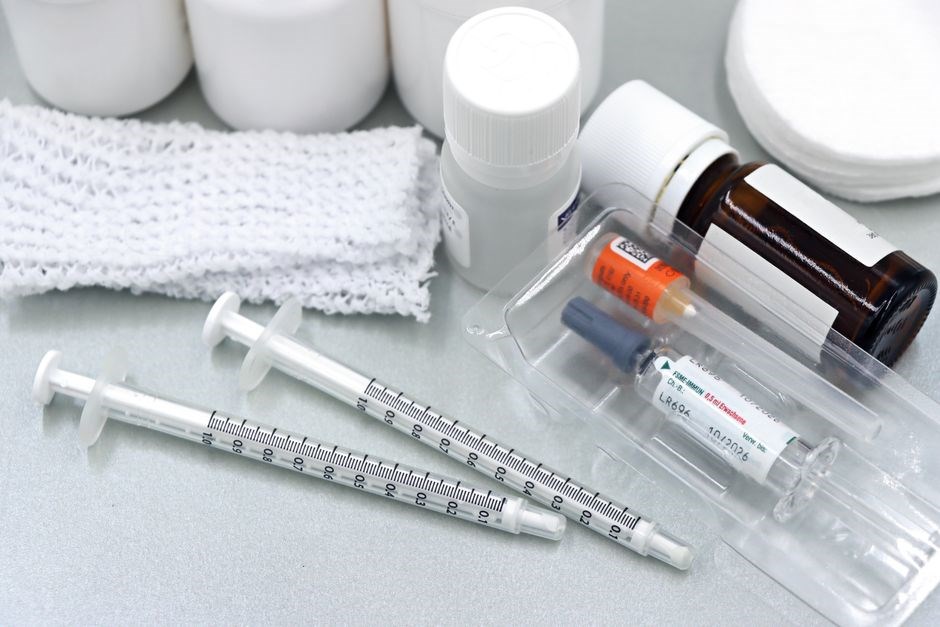
Harvard nursing curriculum covers analgesics, antimicrobials, cardiovascular agents, CNS drugs, endocrine modulators, respiratory therapies, and anticancer agents. Students learn mechanisms, dosing, interactions, monitoring, and evidence‑based prescribing.
Analgesics, Antimicrobials, Cardiovascular, CNS, Endocrine, Respiratory, Anticancer
Harvard’s nursing curriculum presents a comprehensive overview of seven major drug categories, emphasizing pharmacologic principles, clinical application, and patient‑centered care. Each class is explored through didactic lectures, simulation labs, and interprofessional case studies.

- Analgesics – Opioids, NSAIDs, and adjuvant agents are examined for mechanism, dosing, side‑effect profiles, and opioid stewardship. Students practice pain assessment scales and opioid rotation protocols.
- Antimicrobials – Broad‑ and narrow‑spectrum antibiotics, antifungals, and antivirals are taught with a focus on spectrum, resistance patterns, pharmacokinetics, and stewardship guidelines. Microbiology labs reinforce culture‑based therapy decisions.
- Cardiovascular – Antihypertensives, anticoagulants, antiplatelets, and lipid‑lowering agents are covered. Topics include drug‑drug interactions, monitoring parameters, and evidence‑based guideline integration.
- CNS – Antidepressants, antipsychotics, anxiolytics, and anticonvulsants are studied for receptor targets, therapeutic windows, and neuro‑psychiatric monitoring. Simulation of delirium and seizure management is included.
- Endocrine – Insulin, oral hypoglycemics, thyroid hormones, and adrenal modulators are reviewed. Students calculate insulin doses, monitor glucose trends, and manage endocrine emergencies.
- Respiratory – Bronchodilators, corticosteroids, and mucolytics are taught with emphasis on inhaler technique, spirometry interpretation, and asthma‑COPD management protocols.
- Anticancer – Chemotherapeutic agents, targeted biologics, and immunotherapies are covered. Topics include cytotoxic safety, infusion protocols, and patient education on side‑effect mitigation.
Throughout the curriculum, students integrate pharmacologic knowledge with evidence‑based practice, ensuring safe and effective medication administration across diverse patient populations.
Pharmacokinetics and Pharmacodynamics for Nurses
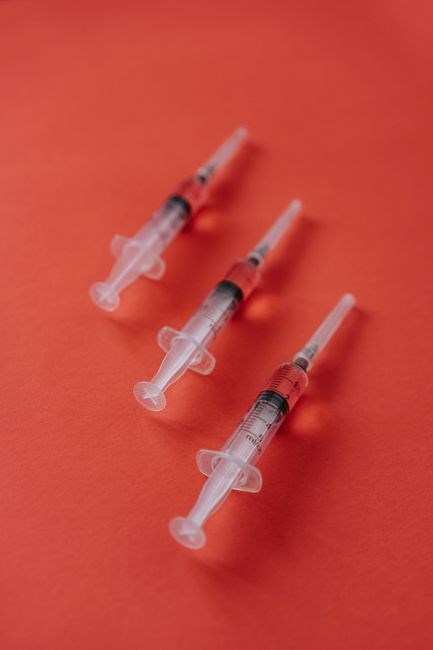
nursing! education emphasizes drug absorption, distribution, metabolism, and excretion, linking pharmacokinetics to dosing. Students learn to adjust regimens for age, weight, organ function, and drug interactions, ensuring safe therapy!.
Absorption, Distribution, Metabolism, Excretion, Dose Calculations
In the Harvard Nursing Drug Guide, students first master absorption pathways, noting oral bioavailability, first‑pass effects, and factors like gastric pH and food interactions that alter peak plasma concentrations. They then explore distribution, learning how lipophilicity, protein binding, and tissue perfusion influence volume of distribution and therapeutic reach. Metabolism education focuses on hepatic cytochrome P450 isoforms, phase I oxidation, phase II conjugation, and the impact of genetic polymorphisms on drug clearance. Excretion concepts cover renal glomerular filtration, tubular secretion, reabsorption, and the role of bile and fecal routes for non‑renal elimination. Dose calculation training integrates all pharmacokinetic principles with patient variables—age, weight, renal function, and comorbidities to compute precise loading and maintenance doses, adjust for renal impairment using creatinine clearance or estimated glomerular filtration rate, and apply therapeutic drug monitoring when narrow therapeutic indices exist. Throughout, simulation labs reinforce real‑world application, ensuring nurses can predict drug levels, anticipate interactions, and tailor regimens for optimal safety and efficacy.
Students also practice dose adjustment for special populations, such as pediatrics and geriatrics, using age‑specific equations and monitoring for drug‑drug interactions, ensuring safe individualized care daily.

Assessment of Patient Drug History
Gathering a comprehensive medication list, verifying dosage, frequency, and route, while documenting allergies, prior adverse reactions, and OTC or herbal supplements, ensures accurate medication reconciliation and safe nursing care. Nurses confirm prescriptions and reconcile prior records prompt
Gathering Medication Lists, Allergies, and Prior Reactions
Effective drug history assessment begins with a structured interview that captures every medication the patient takes, including prescription drugs, over‑the‑counter agents, herbal supplements, and vitamins. Nurses use a standardized form to record drug name, strength, dosage, frequency, route, and duration. This form is updated at each encounter and cross‑checked against pharmacy records and the electronic health record (EHR) to identify discrepancies. Allergies are documented by asking the patient to describe any known hypersensitivity reactions, specifying the agent (e.g., penicillin, latex, contrast media) and the clinical manifestation (rash, anaphylaxis, gastrointestinal upset). Prior adverse drug reactions are noted with details on timing, severity, and management, providing context for future prescribing decisions. The nurse should also inquire about medication adherence, missed doses, and reasons for non‑compliance, as these factors influence therapeutic outcomes. Finally, the collected data are entered into the EHR’s medication reconciliation module, where alerts for potential drug interactions, duplicate therapies, or contraindications are generated, ensuring safe and effective patient care.
Nurses use pill bottle review to confirm the medication list and note discrepancies between the patient’s report and the actual bottles. The nurse should assess the patient’s understanding of each medication’s purpose, potential side effects, and instructions for use, which helps identify gaps that could lead to errors. Documentation should include the date of the last medication review, the name of the nurse or clinician who performed it, and any follow‑up actions required. This systematic approach supports accurate medication reconciliation, reduces adverse drug events, and promotes optimal therapeutic outcomes and continuous monitoring.
Safe Medication Administration Practices
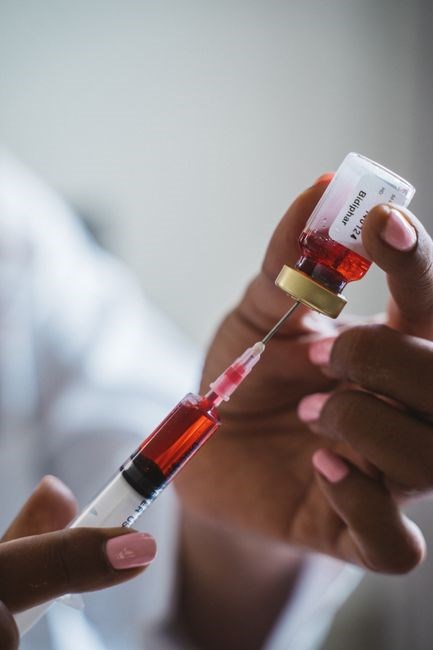
Adhering to the Five Rights—right patient, right drug, right dose, right route, right time—ensures safety. Verify orders through double‑check protocols, use barcode scanning, and maintain controlled substance logs. and monitor for adverse reactions. Document each step in the EHR for audit trails.
Five Rights, Order Verification, Controlled Substances Handling
In Harvard’s drug curriculum, the Five Rights—right patient, right drug, right dose, right route, right time—serve as the cornerstone of safe medication administration. Nurses are trained to verify each element through a systematic double‑check process, often involving barcode scanning and electronic order entry. Order verification requires comparing the prescription with the electronic health record, confirming dosage calculations, and ensuring that any drug interactions or allergies are flagged before administration. Controlled substances receive additional safeguards: they must be stored in a locked, access‑controlled cabinet, logged with a unique identifier, and administered only after a signed, signed verification sheet is completed. Documentation of each step, including the time, route, and any patient response, is entered into the EHR to create an audit trail that supports accountability and continuous quality improvement. By rigorously applying these practices, nurses reduce medication errors, protect patient safety, and uphold the highest standards of professional care.
The curriculum also emphasizes interdisciplinary collaboration, encouraging nurses to engage with pharmacists, physicians, and pharmacists to refine dosing strategies and mitigate adverse events. Simulation scenarios reinforce the importance of accurate documentation and prompt reporting, fostering a culture of safety and continuous learning. This approach aligns with national safety goals, ensuring evidence-based care.

Monitoring Drug Efficacy and Adverse Effects
Harvard nurses monitor efficacy with signs, labs, symptom checklists. Adverse effects are tracked with std scales and early warning signs. Documentation in the EHR ensures timely interventions and quality improvement. Rapid dose checks. daily!

Vital Signs, Lab Monitoring, Symptom Tracking, Early Warning Signs
In the Harvard Nursing Drug Guide, monitoring begins with baseline vital signs—heart rate, rhythm, blood pressure, respiratory rate, and temperature—taken before medication administration and for safety and care daily for safety daily now!??
For opioids, continuous pulse oximetry and capnography detect hypoventilation early, post‑dose pulse check confirms hemodynamic stability.
Anticoagulants require daily INR or aPTT checks, with thresholds set per protocol; a sudden rise beyond the therapeutic window flags bleeding risk and prompts dose adjustment.
Cardiovascular agents trigger ECG monitoring for arrhythmias and QT prolongation, while beta‑blockers mandate heart rate checks every 4 hours daily!!?

Endocrine therapies are paired with glucose monitoring every 4–6 hours; insulin doses are titrated to maintain fasting glucose between 80 and 110 mg/dL with alerts at 70 mg/dL daily.
Respiratory agents demand arterial blood gases and peak inspiratory pressures to detect barotrauma or oxygen desaturation, with PaO2/FiO2 falls below 300.
Oncology regimens are accompanied by complete blood counts and tumor marker trends to assess myelosuppression and therapeutic response with dose reductions triggered by ANC < 0.5 × 10⁹/L daily.
Symptom tracking uses tools like the Edmonton Symptom Assessment System for pain, nausea, and fatigue, ensuring outcomes guide dose titration and care daily!!?

Documentation and Medication Reconciliation
Harvard’s protocol requires real‑time charting, with every dose logged, time, route, and provider signature. Reconciliation occurs at admission, transfer, and discharge, cross‑checking lists against pharmacy records to prevent omissions. daily!!
Electronic Health Records, Reconciliation Protocols, Audit Trails
Electronic Health Records (EHR) form the backbone of Harvard’s medication reconciliation. The system pulls real‑time pharmacy data, patient self‑reported lists, and provider orders into one interface. Nurses use built‑in prompts to compare current orders against the baseline list, flagging duplicates, missing doses, or contraindicated combinations. Each reconciliation entry logs a timestamp, user ID, and audit trail notes for traceability. Barcode scanning for administration updates the medication administration record (MAR) and alerts for drug interactions. Advanced analytics generate daily reports highlighting high‑risk changes, enabling quality teams to target interventions. The audit trail records every edit, supporting compliance audits. EHR interoperability with regional exchanges ensures seamless transfer of medication histories during admissions, transfers, and discharges, reducing errors from incomplete histories. The interface offers rapid navigation, color‑coded alerts, and a one‑click reconciliation button that updates the list and verifies orders automatically. Training modules embedded in the EHR teach nurses principles of safe reconciliation, emphasizing verification of drug names, dosages, frequencies, and routes. Leveraging EHR technology, Harvard nurses maintain accurate, up‑to‑date medication records, enhancing patient safety and supporting evidence‑based practice. Continuous evaluation improves outcomes. !