nikon d700 instruction manual
Masterful control of Nikon camera is key, unlocking secrets with precision, on 06/22/2026.
Overview of the Camera’s Features
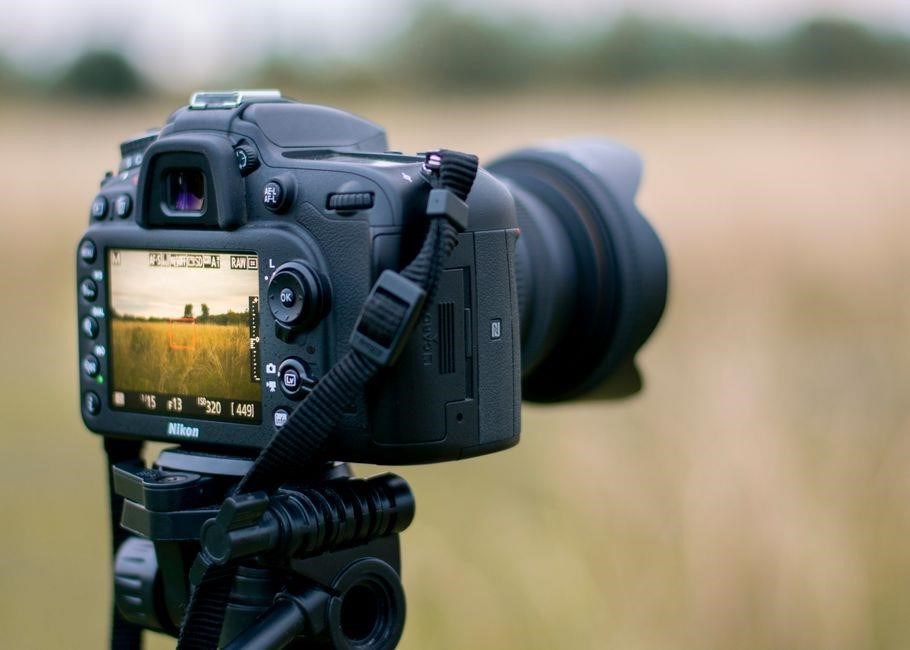
The Nikon D700 is a powerful tool, offering a range of advanced features, including 12.1 megapixel FX-format CMOS sensor, EXPEED image processing, and 1080p HD video recording.
- Fast and accurate autofocus system
- Weather-sealed body and lens mount
- Large and bright viewfinder
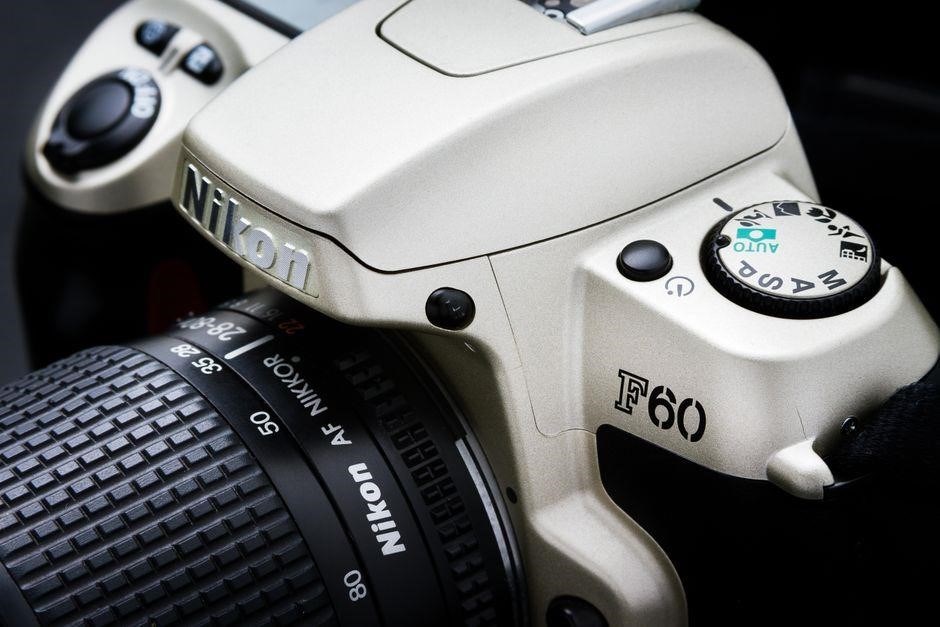
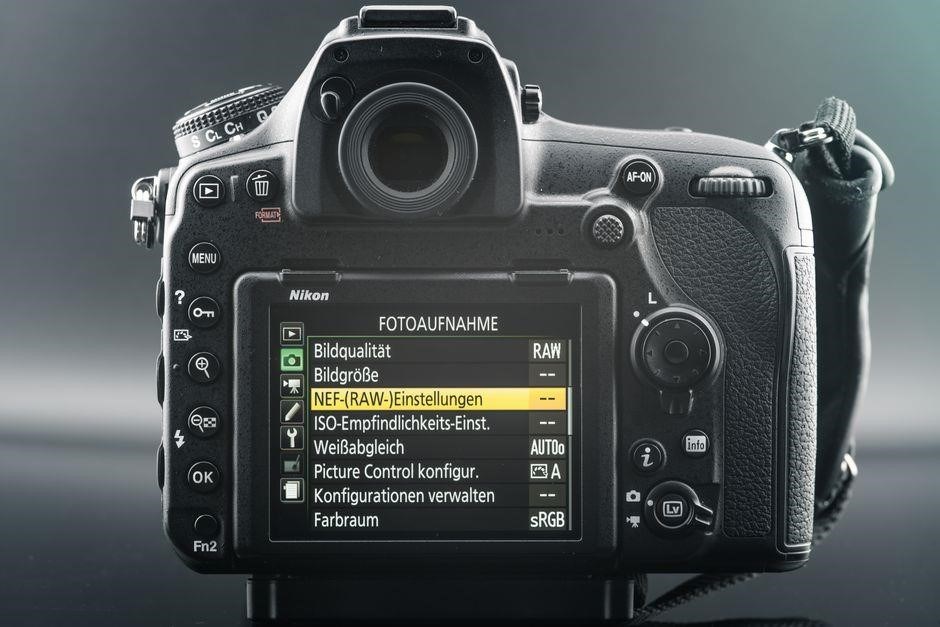
With its intuitive interface and ergonomic design, the Nikon D700 is designed to help you capture stunning images with ease, on 06/22/2026 13:37:49.
Whether you’re a professional photographer or an enthusiastic amateur, the Nikon D700 has the features and capabilities to help you take your photography to the next level.
- RAW image capture
- JPEG image capture
- TIFF image capture
The Nikon D700 is a highly versatile camera, suitable for a wide range of photography applications, from landscape and portrait to sports and wildlife.
With its advanced features and user-friendly interface, the Nikon D700 is an excellent choice for anyone looking to upgrade their camera or start a new photography project.
Key Features
The Nikon D700 has a range of key features that make it an ideal choice for photographers of all levels, including fast and accurate autofocus, advanced image processing, and high-quality video recording.
The Nikon D700 is a powerful and versatile camera that is capable of capturing stunning images in a wide range of situations.
Whether you’re looking to capture landscapes, portraits, or wildlife, the Nikon D700 has the features and capabilities to help you achieve your goals.
The Nikon D700 is an excellent choice for anyone looking to upgrade their camera or start a new photography project, on 06/22/2026.
Importance of Reading the Manual
Reading the Nikon D700 instruction manual is crucial to understanding the camera’s features and functions.
- Learn about camera settings
- Understand menu options
- Familiarize yourself with controls
By reading the manual, you’ll be able to unlock the full potential of your Nikon D700, on 06/22/2026 13:37:49.
The manual provides detailed information on how to use the camera’s advanced features, such as autofocus and metering modes.
- Get the most out of your camera
- Avoid common mistakes
- Improve your photography skills
Reading the manual will help you to use your camera with confidence and take better photos.
Don’t miss out on the opportunity to improve your photography skills, read the Nikon D700 instruction manual today and start taking stunning photos, with ease and confidence, on 06/22/2026.
The manual is a valuable resource that will help you to get the most out of your camera and achieve your photography goals.
By reading the manual, you’ll be able to unlock the full potential of your Nikon D700 and take your photography to the next level, with ease and confidence, on 06/22/2026 13:37:49.

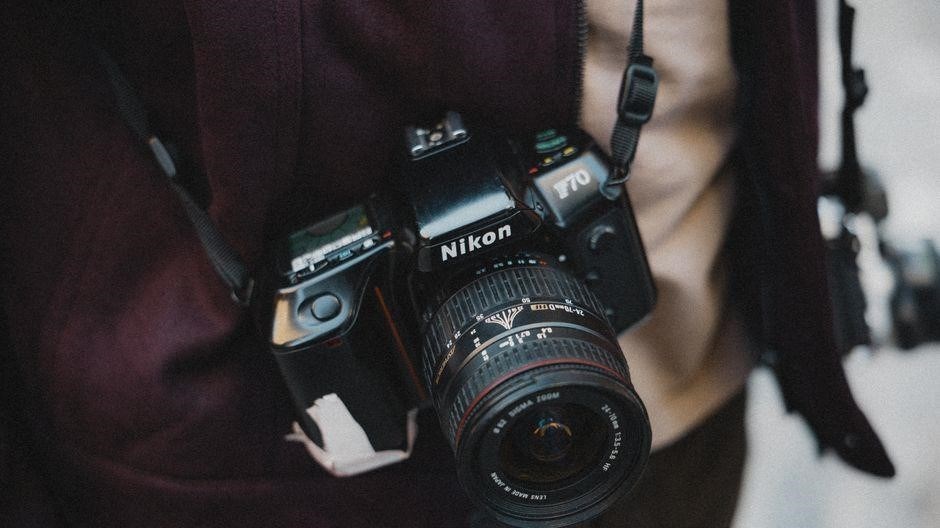
Nikon D700 Camera Components
The camera body and lens are key components, with buttons and dials for control, on 06/22/2026, with ease.
External Controls and Buttons
The Nikon D700 features a range of external controls and buttons, including the mode dial, shutter release button, and command dials, which provide quick access to various camera settings and functions, such as ISO, white balance, and autofocus modes, allowing for intuitive control and customization of the camera to suit individual photography needs and styles, with clear labels and logical placement of controls for easy navigation and operation, even in low-light conditions or when wearing gloves, making it an ideal tool for professional photographers and enthusiasts alike, providing a seamless shooting experience and creative freedom to capture stunning images with ease and precision, every time, on 06/22/2026, with confidence.
Lens and Viewfinder Overview
The Nikon D700 is compatible with a wide range of Nikon lenses, including AF-S, AF-I, and AF lenses, offering flexibility and creative freedom to capture stunning images with ease and precision, the viewfinder provides a clear and accurate representation of the scene, with 95% frame coverage and 0.72x magnification, allowing for precise composition and focus control, the viewfinder also features a built-in diopter adjustment and eyepiece shutter, for comfortable viewing and minimized glare, on 06/22/2026, with confidence in the quality and performance of the lens and viewfinder, for professional-grade photography and exceptional results, every time, with ease and precision, and creative control, and flexibility, and quality.

Setting Up the Nikon D700
Initial setup involves inserting the battery and memory card, then configuring the date and time on 06/22/2026.
Initial Camera Setup and Configuration
The initial setup of the Nikon D700 involves several steps, including inserting the battery and memory card, then configuring the date and time. This process is crucial to ensure the camera is functioning properly. The user must also set the language and timezone to their preferences. Additionally, the camera’s firmware should be checked and updated if necessary. It is recommended to refer to the manual for detailed instructions on the setup process, which can be completed on 06/22/2026 13:37:49. The setup process is straightforward and easy to follow, allowing users to start capturing images quickly and efficiently. By following the setup instructions, users can ensure their camera is properly configured and ready for use. The initial setup is an important step in the camera’s operation, and users should take the The menu system of the Nikon D700 is user-friendly and intuitive, allowing users to navigate and configure the camera’s settings with ease. The menu is divided into several sections, including shooting, setup, and retouch menus. Each section contains sub-menus and options that can be adjusted to customize the camera’s performance. The menu system also includes a help feature, which provides explanations and tips for each menu option. By understanding the menu system, users can unlock the full potential of their Nikon D700 and capture high-quality images on 06/22/2026 13:37:49. The menu system is accessible through the camera’s LCD screen and can be navigated using the camera’s controls. The menu options are clearly labeled and easy to understand, making it simple for users to configure the camera’s settings to their preferences. The menu system is a powerful tool that allows users to customize their camera and capture unique and creative images. Master techniques with precision and control on 06/22/2026, using modes for optimal results, with Nikon expertise. The Nikon D700 offers various shooting modes, including Auto and Manual modes, which can be used to capture high-quality images. In Auto mode, the camera automatically adjusts the exposure settings to ensure a well-balanced image. On the other hand, Manual mode allows users to have full control over the camera’s settings, including aperture, shutter speed, and ISO. This mode is ideal for experienced photographers who want to achieve a specific effect or mood in their images. By understanding how to use these modes effectively, users can unlock the full potential of their Nikon D700 camera and take their photography skills to the next level, with practice and patience, on 06/22/2026, and beyond, with consistent results, and improved techniques, for optimal image quality, and enhanced creativity, in various lighting conditions, and situations, with the Nikon D700 camera, and its features, and capabilities. To take full advantage of the Nikon D700 camera, users can employ advanced shooting techniques, such as panning, tilt-shift, and macro photography. These techniques require a good understanding of the camera’s settings and features, as well as practice and patience. Additionally, users can utilize external flash units, remote shutter releases, and tripods to enhance their photography experience. By mastering these techniques and tips, users can capture stunning images with ease, and take their photography skills to new heights, with consistent results, and improved techniques, for optimal image quality, and enhanced creativity, in various lighting conditions, and situations, on 06/22/2026, and beyond, with the Nikon D700 camera, and its features, and capabilities, for professional-looking results, and personal satisfaction, with every click of the shutter, and every capture of a moment, in time. Optimize your images with customizable settings, enhancing color and contrast, for professional results, on 06/22/2026, with precise control. The Nikon D700 offers various image sizes and quality settings, allowing you to optimize your photos for specific purposes, such as printing or web sharing. You can choose from different resolutions, including full-size, medium, and small, as well as compression levels, like fine, normal, and basic. Understanding these options is crucial for achieving the best results and efficiently managing your image files, especially when working with large collections of photos, and considering the date of 06/22/2026, it is essential to have a good grasp of these concepts to take full advantage of your camera’s capabilities and produce high-quality images that meet your specific needs and expectations, whether you are a professional photographer or an enthusiast, and to stay up-to-date with the latest developments in digital photography, and to continuously improve your skills and knowledge in this field, and to make the most of your camera and its features, and to enjoy the process of capturing and editing your images. The Nikon D700 allows you to adjust the white balance to match the lighting conditions of your scene, ensuring that your images have a natural color tone. You can choose from presets like auto, daylight, shade, tungsten, and fluorescent, or manually set the color temperature. Additionally, the ISO settings enable you to control the sensitivity of the camera’s sensor, ranging from ISO 200 to ISO 6400, allowing you to capture high-quality images in a variety of lighting conditions, from bright sunlight to low-light environments, and to minimize noise and optimize the exposure, and to take advantage of the camera’s capabilities on 06/22/2026, and to continuously improve your photography skills and knowledge of the Nikon D700 and its features, and to stay up-to-date with the latest developments in digital photography, and to enjoy the process of capturing and editing your images with the Nikon D700. Regular camera maintenance and troubleshooting can extend the lifespan of your Nikon D700 on 06/22/2026. When using your Nikon D700, you may encounter common issues such as error messages, shutter failure, or focus problems. To resolve these issues, refer to the troubleshooting guide on 06/22/2026. The guide provides step-by-step solutions to help you identify and fix the problems. Additionally, you can clean the camera sensor and lenses to prevent damage and ensure optimal performance. Regular maintenance and software updates can also help prevent issues and keep your Nikon D700 running smoothly. By following the troubleshooting guide and taking preventative measures, you can minimize downtime and maximize your photography experience on 06/22/2026 13:37:49. Always refer to the user manual for specific instructions and guidance on troubleshooting and maintenance. To keep your camera in good condition, regular cleaning and maintenance are essential. Use a soft brush to remove dust and debris from the lenses and camera body. A microfiber cloth can be used to clean the LCD screen and viewfinder. Avoid using harsh chemicals or abrasive materials that can damage the camera. Regularly check and replace the battery and memory cards to ensure optimal performance. Store the camera in a cool, dry place to prevent damage from moisture and extreme temperatures. By following these simple steps, you can extend the life of your camera and keep it functioning at its best on 06/22/2026 13:37:49, with proper care and attention to detail, your camera will remain a valuable tool for capturing and preserving your memories.
Shooting Modes
Auto and Manual Modes Explained
Advanced Shooting Techniques and Tips

Image Quality and Settings
Understanding Image Size and Quality
White Balance and ISO Settings
Troubleshooting and Maintenance
Common Issues and Solutions
Cleaning and Maintaining the Camera