shiv panchakshar stotra pdf
Shiv Panchakshar Stotra PDF: A Comprehensive Guide
This guide explores the Shiv Panchakshar Stotra, a revered Sanskrit prayer praising Lord Shiva. It details accessing PDF resources, understanding its verses, and devotional significance within Hindu traditions.
The Shiv Panchakshar Stotra is a profoundly significant hymn in Hindu spirituality, dedicated to Lord Shiva. This ancient Sanskrit prayer, readily available as a PDF for devotees worldwide, beautifully encapsulates the divine attributes and forms of Shiva through six potent verses. Each verse commences with a specific letter representing Shiva’s sacred name – ‘na’, ‘ma’, ‘iSa’, ‘va’, and ‘ya’ – culminating in a powerful invocation.
Considered a cornerstone of Shiva worship, the Stotra isn’t merely a recitation; it’s a pathway to connect with the divine energy of Shiva. Its verses are rich in symbolism, describing Shiva as the lord of serpents (Nagendraharaya), the three-eyed deity (Trilochanaya), and the one adorned with ashes (Bhasmangragaya). The accessibility of the Shiv Panchakshar Stotra PDF allows practitioners of all levels to easily incorporate this powerful prayer into their daily spiritual practice, fostering devotion and seeking blessings.
The Stotra’s enduring popularity stems from its concise yet comprehensive depiction of Shiva’s majesty and its perceived ability to bestow spiritual benefits upon sincere reciters.
The Significance of the Five Sacred Syllables (Panchakshara)
The term “Panchakshara” refers to the five sacred syllables – ‘Na’, ‘Ma’, ‘Shi’, ‘Va’, and ‘Ya’ – representing the essence of Lord Shiva. These syllables aren’t merely phonetic sounds; they are considered potent mantras embodying Shiva’s divine energy. The Shiv Panchakshar Stotra PDF often highlights this core concept, emphasizing the power inherent within each syllable.
These five syllables collectively form the mantra “Namah Shivaya,” a fundamental invocation in Shaivism. Reciting this mantra, and by extension, the Stotra, is believed to purify the mind, body, and soul; The PDF versions frequently explain how each syllable corresponds to specific aspects of Shiva’s being and creation. ‘Na’ represents illusion, ‘Ma’ signifies prakriti (nature), ‘Shi’ embodies Shiva, ‘Va’ denotes desire, and ‘Ya’ represents individual consciousness.
The Stotra’s structure, built around these syllables, amplifies their power, making it a highly effective tool for meditation and spiritual growth. Accessing a Shiv Panchakshar Stotra PDF allows for deeper understanding of this foundational principle.
Historical Origins and Authorship
Determining the precise historical origins and authorship of the Shiv Panchakshar Stotra remains a subject of scholarly discussion; While widely attributed to Adi Shankaracharya, a prominent 8th-century philosopher and theologian, definitive historical evidence directly linking him to its composition is limited. Many Shiv Panchakshar Stotra PDF resources acknowledge this ambiguity.
However, the Stotra’s style and philosophical underpinnings align with Advaita Vedanta, the school of thought propagated by Shankaracharya, strengthening the attribution. Some texts suggest it may have been a compilation or adaptation of earlier verses, refined and popularized by him. Various PDF versions present differing perspectives on this matter, reflecting ongoing research.
Regardless of the exact authorship, the Stotra’s antiquity is undeniable, with references appearing in numerous ancient Hindu texts. The availability of Shiv Panchakshar Stotra PDF files allows devotees and researchers to explore these historical nuances and interpretations.
The Structure of the Stotra: Six Verses
The Shiv Panchakshar Stotra is structured around six powerful verses, each commencing with one of the five sacred syllables – ‘Na’, ‘Ma’, ‘Shi’, ‘Va’, and ‘Ya’ – representing Lord Shiva’s five faces. These syllables, collectively known as the Panchakshara mantra, form the core of the Stotra’s potency. Numerous Shiv Panchakshar Stotra PDF documents highlight this structural element.
Each verse is a self-contained hymn, elaborately describing a specific aspect of Shiva’s divine attributes and form. The verses are not merely descriptive but also invoke blessings and protection. Accessing a Shiv Panchakshar Stotra PDF allows for detailed examination of the Sanskrit text and its transliteration.
The sixth verse serves as a concluding offering, expressing devotion and seeking Shiva’s grace. The consistent structure facilitates memorization and recitation, making the Stotra accessible to a wide range of devotees. Many PDF resources include word-by-word meanings to aid understanding.
Verse 1: Nagendraharaya Trilochanaya
The opening verse of the Shiv Panchakshar Stotra, “Nagendraharaya Trilochanaya,” is a powerful invocation of Lord Shiva. “Nagendraharaya” signifies Shiva wearing the serpent king (Naga) around his neck, symbolizing control over desires and worldly attachments. “Trilochanaya” refers to his three eyes, representing the sun, moon, and fire – the source of creation, sustenance, and destruction.
Many Shiv Panchakshar Stotra PDF resources detail this verse’s significance, explaining how it establishes Shiva’s dominion over both the material and spiritual realms. The verse paints a vivid image of Shiva’s majestic form, adorned with symbols of power and transcendence.

Studying a Shiv Panchakshar Stotra PDF reveals that this initial verse sets the tone for the entire Stotra, preparing the devotee’s mind to receive the subsequent descriptions of Shiva’s divine qualities. It’s a foundational verse for understanding the Stotra’s overall message.

Verse 2: Bhasmangragaya Maheshwaraya
The second verse, “Bhasmangragaya Maheshwaraya,” profoundly depicts Lord Shiva’s ascetic nature. “Bhasmangragaya” describes Shiva adorned with ashes (bhasma), symbolizing the impermanence of life and detachment from worldly possessions. This practice represents the burning away of karma and illusion. “Maheshwaraya” signifies the great Lord, the supreme controller.
Numerous Shiv Panchakshar Stotra PDF documents emphasize that this verse highlights Shiva’s renunciation and his transcendence over the cycle of birth and death. The application of ashes is not merely a ritual but a powerful statement about Shiva’s liberation.
A detailed Shiv Panchakshar Stotra PDF will explain how this verse encourages devotees to embrace simplicity and detachment. It’s a reminder that true happiness lies not in material wealth but in spiritual realization. Understanding this verse is crucial for grasping the Stotra’s core message of liberation.
Verse 3: Nityaya Shuddhaya Digambharaya
The third verse, “Nityaya Shuddhaya Digambharaya,” portrays Shiva as eternally pure and unclad. “Nityaya” signifies permanence and eternity, emphasizing Shiva’s timeless existence. “Shuddhaya” denotes purity, highlighting his immaculate and untainted nature, beyond the limitations of the material world. “Digambharaya” describes Shiva as the Lord of the directions, often depicted as naked, symbolizing freedom from illusion and societal constraints.
Many Shiv Panchakshar Stotra PDF resources explain that Shiva’s nudity isn’t about physical exposure, but about being unbound by Maya (illusion). It represents complete openness and truthfulness.
A comprehensive Shiv Panchakshar Stotra PDF will detail how this verse encourages devotees to shed their ego and embrace their true, natural state. It’s a call to live authentically and without pretense. This verse, when understood through available PDF guides, reveals Shiva’s ultimate freedom and encourages similar liberation for all.
The Meaning and Interpretation of Each Verse
Understanding the verses of the Shiv Panchakshar Stotra requires delving into their Sanskrit roots and symbolic meanings. Numerous Shiv Panchakshar Stotra PDF resources offer detailed interpretations, explaining how each verse unveils a different facet of Lord Shiva’s divine attributes. These PDF guides often include word-by-word breakdowns and contextual explanations.
The stotra isn’t merely a recitation of names; it’s a profound meditation on Shiva’s form, power, and grace. A quality Shiv Panchakshar Stotra PDF will highlight the interconnectedness of the verses, showing how they build upon each other to create a holistic portrait of the deity.
Interpretations vary slightly across different schools of thought, but the core message remains consistent: Shiva is the ultimate reality, the source of creation, preservation, and dissolution. Accessing a well-translated PDF version is crucial for grasping the nuances and experiencing the stotra’s transformative power.
Benefits of Reciting the Shiv Panchakshar Stotra
Devotees believe reciting the Shiv Panchakshar Stotra yields significant spiritual benefits, detailed within many Shiv Panchakshar Stotra PDF guides. Regular chanting is said to purify the mind, remove negative energies, and foster inner peace. Many PDF resources emphasize its power to overcome obstacles and grant liberation from the cycle of birth and death.
The stotra’s five sacred syllables – ‘Na’, ‘Ma’, ‘Shi’, ‘Va’, ‘Ya’ – are considered potent mantras in themselves. A comprehensive Shiv Panchakshar Stotra PDF often explains how focused recitation activates these energies, leading to enhanced intuition and spiritual growth.
Furthermore, devotees seek blessings for health, prosperity, and protection. Accessing a PDF with detailed explanations of the stotra’s benefits can deepen one’s faith and enhance the effectiveness of the practice. It’s believed to be particularly potent when recited during auspicious times like Shiv Chaturdashi.
Correct Pronunciation and Chanting Techniques
Achieving accurate pronunciation is crucial when reciting the Shiv Panchakshar Stotra, and many Shiv Panchakshar Stotra PDF resources provide transliterations and audio guides. Correct articulation of the Sanskrit verses maximizes the mantra’s vibrational effect. A quality PDF will often detail the proper way to pronounce each syllable, emphasizing the subtle nuances.
Chanting techniques vary, but generally involve a clear and focused delivery. Some PDF guides recommend reciting the stotra slowly and deliberately, while others suggest a rhythmic, meditative pace. Maintaining a respectful and devotional attitude is paramount.
Many practitioners utilize mala beads to count repetitions, ensuring consistency. Detailed Shiv Panchakshar Stotra PDF documents often include guidance on sadhana (spiritual practice), including optimal posture and breathing exercises to enhance the chanting experience and deepen connection with Lord Shiva.

Timing and Frequency of Recitation
Optimal timing for reciting the Shiv Panchakshar Stotra, as detailed in many Shiv Panchakshar Stotra PDF guides, often aligns with specific lunar cycles and auspicious timings. Shiv Chaturdashi is particularly significant, as highlighted in online resources. Early mornings, before sunrise, are also considered highly favorable for mantra recitation.
The frequency of recitation is a personal choice, guided by devotion and available time. Some practitioners recite the stotra daily, while others choose to chant it during special occasions or as part of a larger spiritual practice. PDF resources often suggest starting with a manageable number of repetitions – perhaps three or eleven – and gradually increasing as comfort and dedication grow.
Consistency is key; regular recitation, even for a short duration, is believed to yield greater benefits. Many PDF versions emphasize the importance of a dedicated space and time for uninterrupted chanting.
Shiv Chaturdashi and the Stotra
Shiv Chaturdashi holds a special connection with the Shiv Panchakshar Stotra, frequently emphasized within Shiv Panchakshar Stotra PDF resources. This auspicious day, dedicated to Lord Shiva, is considered exceptionally potent for reciting the stotra and seeking his blessings; Many devotees specifically choose this day for intensified worship and chanting.
Online sources, including Webdunia Hindi, explicitly mention reading the Shiv Panchakshar Stotra on Shiv Chaturdashi. The belief is that reciting the stotra on this day amplifies its spiritual power and accelerates positive outcomes. Devotees often perform special pujas and abhishekas alongside the recitation.

PDF guides often provide specific rituals and guidelines for observing Shiv Chaturdashi in conjunction with the stotra, including fasting and dedicated meditation. It’s a time for deep devotion and connecting with Shiva’s energy through the sacred verses.
Availability of Shiv Panchakshar Stotra PDF Resources
Numerous Shiv Panchakshar Stotra PDF resources are readily available online, catering to devotees seeking convenient access to this sacred text. Websites like HinduNidhi offer downloadable PDF versions with Hindi translations and explanations, facilitating deeper understanding. These resources often include the stotra in Devanagari script alongside transliteration and word-by-word meanings.
Several platforms host collections of stotras, including the Shiv Panchakshar Stotra, in PDF format. Searching online using keywords like “Shiv Panchakshar Stotra PDF download” yields a wide range of options. Dr. Aniruddha Joshi’s resources also provide access to the stotra, alongside associated teachings.
These PDFs vary in presentation, some offering simple text while others include elaborate formatting and illustrations; Choosing a resource depends on individual preference and the level of detail desired. Always ensure the source is reputable to guarantee accuracy.
Different Versions and Translations
While the core verses of the Shiv Panchakshar Stotra remain consistent, variations exist in transliteration and interpretation. Different sources may present slight differences in the Devanagari script or Roman transliteration, impacting pronunciation. Several translations are available, primarily in Hindi, aiming to elucidate the meaning for wider accessibility.
The PDF resources available online showcase these variations. Some PDFs offer literal translations, focusing on the direct meaning of each word, while others provide more interpretive renderings, emphasizing the devotional essence. Understanding these nuances is crucial for a comprehensive appreciation of the stotra.
Furthermore, regional traditions might influence the recitation style and accompanying explanations. Exploring multiple versions and translations enhances understanding and allows devotees to connect with the stotra on a deeper, personal level. The core message of praising Lord Shiva through the five sacred syllables remains central across all interpretations.
The Stotra in Relation to Shiva Worship

The Shiv Panchakshar Stotra holds a prominent place within Shiva worship, functioning as a powerful hymn for invoking Lord Shiva’s blessings. Its recitation is deeply intertwined with devotional practices, often performed during puja (worship) ceremonies and special occasions like Shiv Chaturdashi. The stotra’s verses encapsulate Shiva’s divine attributes, fostering a sense of reverence and connection.
Many devotees utilize PDF versions of the stotra for personal practice, incorporating it into their daily rituals. The five sacred syllables – “Na, Ma, Shi, Va, Ya” – are considered highly potent, representing Shiva’s essence. Reciting the stotra is believed to purify the mind, dispel negativity, and facilitate spiritual growth.
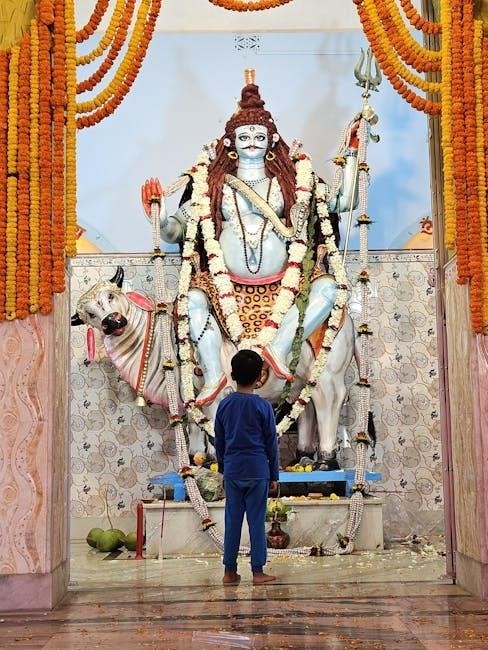
Its significance extends beyond mere recitation; it’s a form of upasana (worship) that aims to merge the devotee’s consciousness with the divine. The stotra serves as a bridge, connecting the individual soul with the universal energy of Lord Shiva, enhancing the overall worship experience.

Popularity and Devotional Practice

The Shiv Panchakshar Stotra enjoys widespread popularity among devotees of Lord Shiva, transcending geographical boundaries and cultural differences. Its accessibility, particularly through readily available PDF resources, has contributed to its growing devotional practice. Many find solace and spiritual upliftment in its verses, reciting it regularly for peace and prosperity.
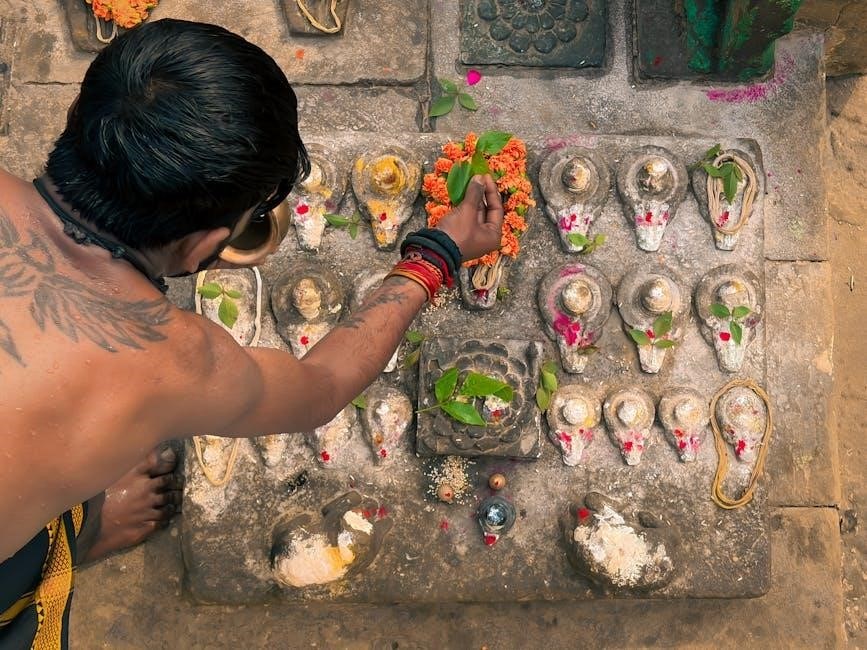
Devotional practices surrounding the stotra are diverse, ranging from individual chanting to collective recitations in temples and homes. The hymn is often paired with offerings of flowers, incense, and water, enhancing the devotional atmosphere. Online platforms and mobile applications further facilitate access, allowing devotees to learn and chant with ease.
The stotra’s lyrical beauty and profound meaning resonate deeply with practitioners, fostering a strong sense of faith and devotion. It’s considered a powerful tool for connecting with Shiva’s energy, promoting inner peace, and overcoming life’s challenges. Its enduring appeal lies in its simplicity and transformative potential.
Resources for Learning and Downloading the Stotra
Numerous online resources offer the Shiv Panchakshar Stotra in PDF format, catering to diverse learning preferences. Websites like HinduNidhi and various devotional platforms provide downloadable versions, often accompanied by transliteration and English translations. These PDFs facilitate convenient access for personal study and recitation.
For those seeking audio guidance, platforms like YouTube host numerous recitations by experienced chanters, aiding in correct pronunciation and understanding of the stotra’s rhythm. Dr. Aniruddha Joshi’s resources are also available online, offering insights into the stotra’s significance. Webdunia Hindi provides access to the stotram in Hindi script.
Mobile applications dedicated to Hindu prayers and stotras frequently include the Shiv Panchakshar Stotra, offering features like offline access and customizable chanting options. These digital tools enhance accessibility and encourage regular practice. Remember to verify the authenticity of sources before downloading any PDF or audio files.