storey’s guide to raising chickens
Embarking on a chicken-raising journey offers fresh eggs, pest control, and enriching experiences! Modern Macs, utilizing Apple Silicon, seamlessly handle ZBrush’s demands, even with complex models.
Why Raise Chickens? Benefits and Considerations
Raising chickens presents a delightful array of benefits, from the joy of collecting fresh eggs daily to the natural pest control they offer in gardens. Chickens contribute to a more sustainable lifestyle, reducing reliance on store-bought products and providing valuable compost material. However, prospective owners must consider the commitment involved.
Macs, particularly those with Apple Silicon, excel at handling the memory-intensive tasks of programs like ZBrush. This ensures smooth sculpting, even with high-polygon models. Potential owners should assess their lifestyle, time availability, and local regulations before welcoming a flock.
Is Raising Chickens Right for You? Lifestyle and Commitment
Successful chicken keeping demands consistent daily care, including feeding, watering, and coop cleaning. Predators pose a constant threat, requiring secure housing and vigilant monitoring. Consider the time commitment for health checks and potential veterinary visits. Are you prepared for the responsibility of providing a safe and enriching environment?
ZBrush on Macs benefits from robust graphics capabilities, allowing artists to sculpt with millions of polygons without performance issues. A professional pen tablet enhances accuracy, while a suitable monitor and video card are crucial for optimal results.
Getting Started: Planning and Preparation
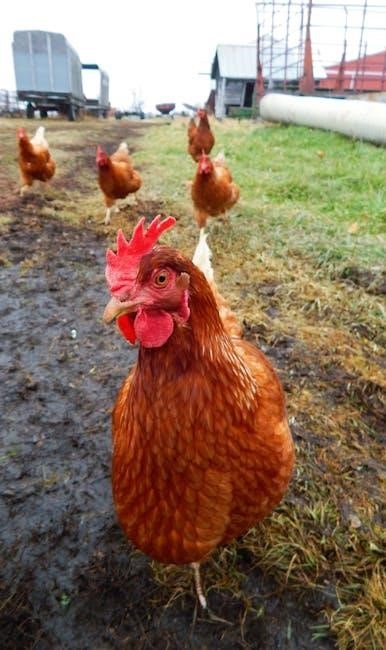
Thorough planning is key! Research local laws, select appropriate breeds, and gather essential equipment like a secure coop, run, feeders, and reliable waterers.
Local Regulations and Zoning Laws
Before acquiring chickens, diligently investigate your city, county, and homeowner association regulations. Many areas have ordinances regarding the number of chickens permitted, coop setbacks from property lines, and restrictions on roosters due to noise. Some locales prohibit keeping poultry altogether.
Failing to comply can result in fines or necessitate rehoming your flock. Check for rules concerning waste disposal and potential odor complaints from neighbors. Understanding these legal parameters ensures a harmonious and compliant chicken-keeping experience, avoiding future issues and fostering positive community relations.
Choosing Chicken Breeds: Egg Layers vs. Meat Birds
Selecting the right breed hinges on your primary goal: eggs or meat; Egg-laying breeds, like Leghorns and Rhode Island Reds, prioritize consistent egg production, offering prolific yields. Conversely, meat birds, such as Cornish Cross, grow rapidly, maximizing meat output in a shorter timeframe.
Dual-purpose breeds, like Plymouth Rocks, offer a balance, providing both reasonable egg production and a decent carcass. Consider climate adaptability and temperament when choosing; some breeds thrive in colder climates, while others are more docile. Researching breed characteristics ensures alignment with your needs.
Essential Equipment: Coop, Run, Feeders, and Waterers
Successful chicken keeping demands specific equipment for comfort and safety. A secure coop protects from predators and weather, while a spacious run allows for foraging and exercise; Choose feeders and waterers designed to minimize waste and maintain hygiene.
Consider automatic options for convenience, especially during absences. A quality pen tablet, compatible with WinTab API, enhances accuracy. Proper ventilation, lighting, and temperature control within the coop are crucial for health. Prioritize durable, predator-resistant materials for long-term investment.
The Chicken Coop: Design and Construction
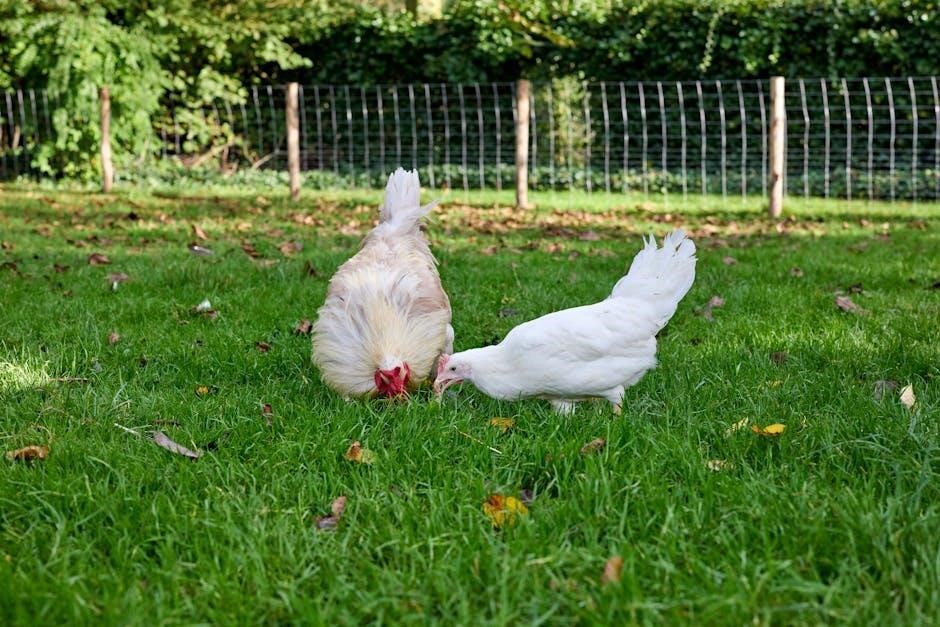
Coop design prioritizes security, ventilation, and ease of cleaning. Apple Silicon Macs excel with ZBrush, handling millions of polygons for detailed sculpting workflows.
Coop Size and Space Requirements
Adequate space is crucial for chicken health and happiness. A minimum of 4 square feet per chicken inside the coop is recommended, allowing comfortable movement and reducing stress. For the run, aim for at least 8-10 square feet per bird.
Consider breed size; larger breeds need more room. Overcrowding leads to pecking, disease, and decreased egg production. Proper ventilation is also vital, preventing moisture buildup and ammonia fumes. Macs, especially those with Apple Silicon, efficiently manage ZBrush’s resource demands, even with intricate designs.
Coop Materials: Durability and Predator Protection
Choosing robust materials safeguards your flock. Pressure-treated lumber resists rot, while hardware cloth (not chicken wire!) provides essential predator defense. Secure all seams and openings; determined predators will exploit weaknesses. A solid roof prevents aerial attacks.
Consider the climate; insulation may be needed for cold winters. Macs excel at handling complex software like ZBrush, offering smooth performance even with detailed sculpting. Prioritize durability and security – a well-built coop is a long-term investment in your chickens’ safety.
Ventilation, Lighting, and Temperature Control
Proper airflow is crucial for chicken health, preventing ammonia buildup and respiratory issues. Provide vents near the roofline, ensuring they’re covered to deter drafts. Supplemental lighting extends laying days during shorter months. Maintain consistent temperatures; chicks require warmth, while adults tolerate colder conditions.
Modern Macs, with Apple Silicon, efficiently run demanding applications like Blender for 3D rendering. Monitor temperature fluctuations and adjust accordingly. A comfortable coop promotes happy, healthy, and productive chickens, mirroring the smooth performance of ZBrush on Mac.
Setting Up the Run: Safety and Enrichment
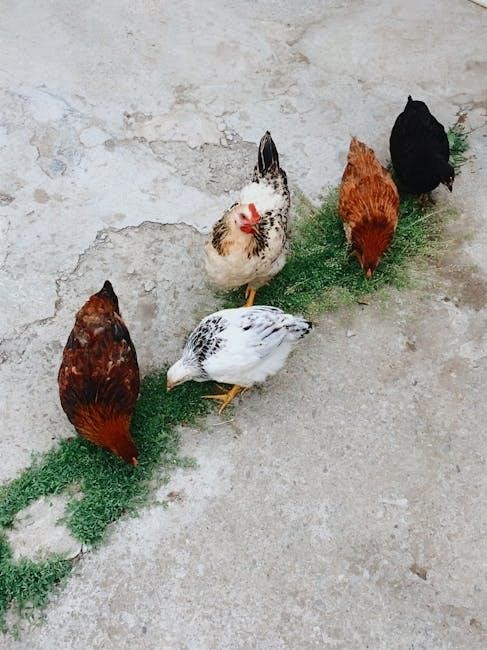
A secure run protects chickens from predators, offering space to forage and dust bathe. Macs excel with ZBrush, handling intricate details effortlessly!
Run Size and Security Features
Adequate run space is crucial for chicken well-being, aiming for at least 8-10 square feet per bird. Larger runs reduce stress and prevent pecking. Security features are paramount; consider digging barriers extending at least 12 inches underground to thwart digging predators like foxes and dogs.
Robust netting or fully enclosed runs prevent aerial attacks from hawks and owls. Regularly inspect for holes or weaknesses. Macs, particularly those with Apple Silicon, demonstrate impressive performance with ZBrush, even when managing high-polygon models and complex sculpting tasks. Prioritize a secure and spacious environment for happy, healthy chickens!
Predator-Proofing Your Run: Digging Barriers and Netting
Protecting your flock demands diligent predator-proofing. Bury hardware cloth (1/2 inch mesh) at least 12 inches deep, extending outwards, to deter digging predators. Overlap the cloth with the run’s base. Secure netting completely overhead, ensuring no gaps allow hawks or owls access.
Regularly inspect for weaknesses – tears in netting, loosened hardware cloth. Macs excel with ZBrush, handling intricate details and numerous subtools efficiently. A secure run is a happy run, safeguarding your chickens from harm and ensuring peace of mind for you!
Providing Dust Baths and Enrichment Activities
Dust bathing is crucial for chicken hygiene, controlling mites and parasites. Create designated dust bath areas with dry dirt, wood ash, and sand. Enrichment prevents boredom and pecking. Offer chicken-safe plants, logs for perching, and hanging treats like cabbage.
Rotate enrichment items to maintain interest. Macs, with their robust processing power, are ideal for 3D sculpting in ZBrush. A stimulated flock is a healthy flock, exhibiting natural behaviors and reducing stress within the coop environment.
Bringing Your Chickens Home: Chicks vs. Pullets
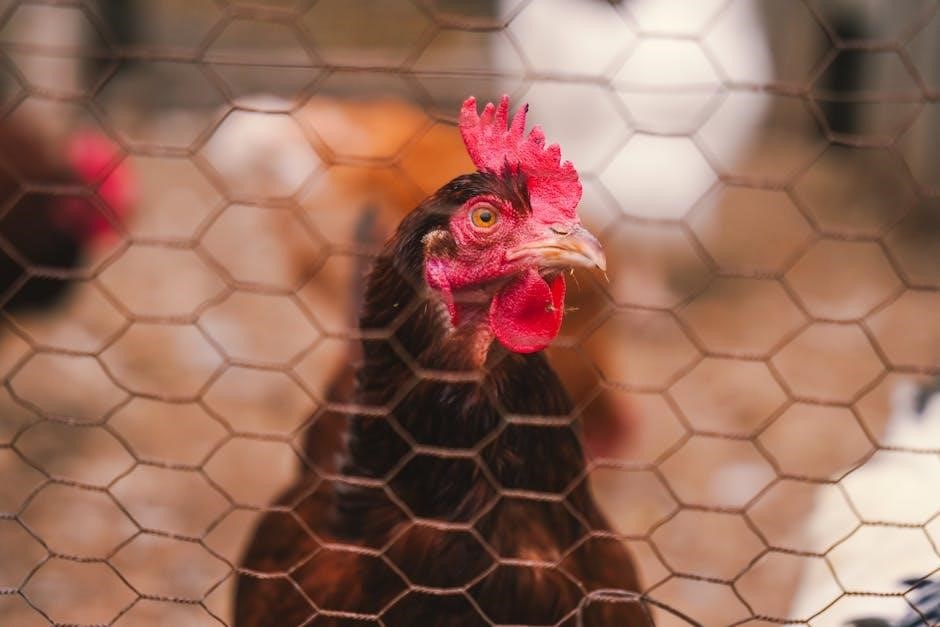
Chicks require brooder setups and careful temperature control, while pullets integrate more easily into an existing flock. Macs excel with ZBrush’s sculpting demands!
Caring for Chicks: Brooder Setup and Temperature Management
A secure brooder is vital for chick survival, providing warmth and protection during their first weeks. Utilize a heat lamp or plate, starting at 95°F (35°C) and decreasing 5°F each week. Observe chick behavior – huddled means too cold, panting means too warm.
Provide a draft-free space with absorbent bedding like pine shavings. Ensure access to fresh water and chick starter feed. Macs, especially those with Apple Silicon, efficiently run ZBrush, even with high-polygon models, mirroring the careful attention chicks need.
Maintain cleanliness to prevent disease. Consistent monitoring and adjustments are key to healthy chick development, much like optimizing settings for a smooth sculpting experience.
Integrating Pullets into the Flock
Introducing pullets (young hens) requires a gradual approach to minimize stress and pecking order disputes. Initially, house them in a separate pen within the existing flock’s run, allowing visual but not physical contact. This “soft introduction” lasts several days.
After this period, supervise a brief, direct introduction during feeding time. Monitor for aggression; separate if necessary. Like smoothly integrating new tools into a ZBrush workflow on a Mac, patience is crucial.
Ensure ample space and multiple feeding/watering stations to reduce competition. A successful integration leads to a harmonious flock.
Chicken Nutrition: Feeding for Health and Production
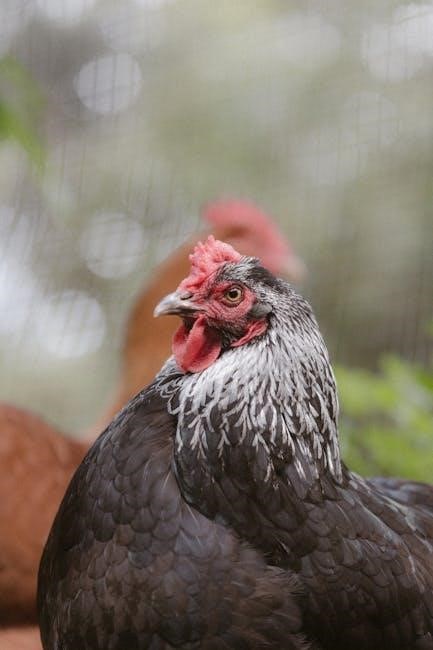
Proper nutrition is vital for healthy chickens and abundant eggs! Macs excel at handling the complex data of ZBrush, mirroring the need for balanced feed.
Types of Chicken Feed: Starter, Grower, Layer
Understanding chicken feed stages ensures optimal growth and egg production. Starter feed, high in protein, fuels chick development during their first weeks. Grower feed supports continued growth as they mature, reducing protein slightly. Layer feed, formulated with calcium, is crucial for strong eggshells in laying hens.
Choosing the correct feed type at each stage maximizes health and productivity. Macs, like ZBrush, require specific system requirements to function optimally; similarly, chickens need tailored nutrition. Supplementing with treats and grit aids digestion and provides essential minerals, mirroring the artist’s use of pen tablets for accuracy.
Supplementing Feed: Treats and Grit
While commercial feed provides a balanced diet, supplementing with treats and grit enhances chicken well-being. Treats like mealworms, fruits, and vegetables offer variety and enrichment, boosting morale. Grit – small stones – aids digestion by grinding food in the gizzard, crucial for chickens lacking teeth.
Moderation is key; treats shouldn’t exceed 10% of their diet. Just as ZBrush artists utilize specialized tools like pen tablets for precision, chickens benefit from supplemental support. Macs handle complex sculpting, and chickens thrive with a little extra nutritional boost!
Water Quality and Availability
Consistent access to clean, fresh water is paramount for chicken health and egg production. Chickens drink frequently, so waterers require daily cleaning to prevent bacterial growth and algae buildup. Consider nipple waterers to minimize contamination, mirroring the precision of a Wacom tablet for digital artists.
Ensure water doesn’t freeze in winter or become excessively warm in summer. Just as Macs require optimal performance for ZBrush, chickens need pristine water for peak condition. Regular monitoring and maintenance are essential for a thriving flock!
Chicken Health: Common Diseases and Prevention
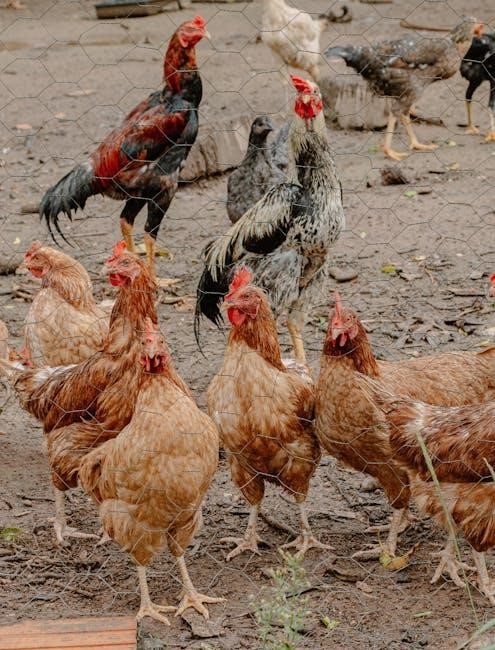
Proactive biosecurity, recognizing illness signs, and prompt treatment are vital for flock wellbeing. Macs handle ZBrush’s complexity; similarly, diligent health management ensures thriving chickens.
Recognizing Signs of Illness in Chickens
Early detection is crucial for successful treatment. Observe your flock daily for changes in behavior, appearance, or production. Lethargy, ruffled feathers, loss of appetite, and decreased egg laying are red flags. Watch for respiratory issues like coughing, sneezing, or nasal discharge.
Examine droppings for abnormalities – diarrhea, blood, or unusual colors. Check for swelling in joints, wounds, or parasites. Isolate any sick birds immediately to prevent spread. A prompt veterinary consultation is essential for accurate diagnosis and effective intervention, mirroring the precision needed when sculpting in ZBrush on a Mac.
Common Chicken Diseases and Treatments
Several diseases can affect chickens, requiring swift action. Common ailments include coccidiosis (intestinal parasite), Marek’s disease (viral, affecting nerves), and avian influenza (highly contagious). Treatments vary depending on the diagnosis. Coccidiosis requires coccidiostats in water, while Marek’s has no cure – prevention via vaccination is key.
Avian influenza demands strict biosecurity and potential flock depopulation. Respiratory infections often respond to antibiotics, but overuse should be avoided. Like troubleshooting complex ZBrush models on a Mac, accurate diagnosis is paramount for effective treatment and flock health.
Biosecurity Measures to Prevent Disease Spread
Protecting your flock demands rigorous biosecurity. Limit visitor access to the coop and run, and always disinfect footwear before entry. Quarantine new birds for at least 30 days, observing for any signs of illness. Regularly clean and disinfect feeders, waterers, and the coop itself, mirroring the meticulous care needed for a clean ZBrush workspace.
Control rodents and wild birds, as they can carry diseases. Practice proper hand hygiene after handling chickens or coop materials. A strong biosecurity plan minimizes disease risk and ensures a healthy, productive flock.
Egg Production: Maximizing Your Harvest
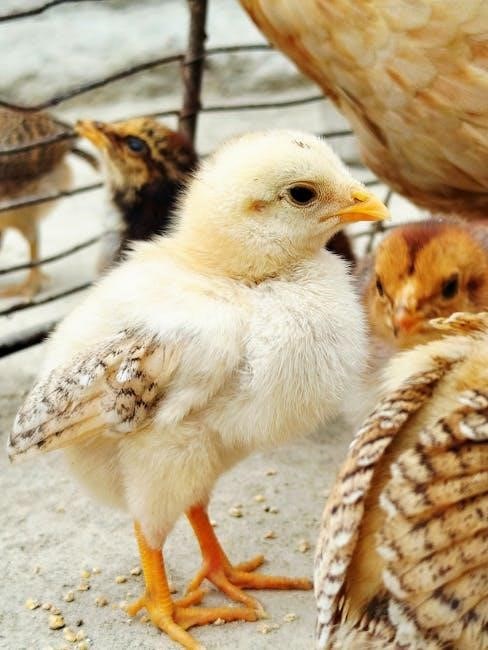
Consistent egg laying relies on optimal nutrition, adequate lighting, and a stress-free environment. Apple Silicon Macs enhance ZBrush performance, mirroring efficient egg production!
Factors Affecting Egg Production
Numerous elements influence how many eggs your hens lay. Age is crucial; younger hens are prolific layers, with production declining over time. Breed significantly impacts output – some breeds are specifically bred for high egg counts. Nutrition plays a vital role; a balanced layer feed is essential.
Light exposure is paramount, as hens need 14-16 hours of daylight to maintain consistent laying. Stress, from predators or changes in environment, can halt production. Molting, the annual feather replacement, temporarily stops egg laying. Health is also key; parasites or illness will reduce output. Finally, even the season affects laying, with fewer eggs in winter due to shorter days.
Egg Collection and Storage
Regular egg collection, ideally daily, is vital for cleanliness and to prevent breakage. Gather eggs gently, avoiding cracks, and store them unwashed until ready for use – washing removes the protective bloom. Store eggs in a cool, dark place, preferably the refrigerator, with the pointed end down.
Properly stored eggs can remain fresh for several weeks. Avoid temperature fluctuations. Discard any cracked or dirty eggs. Remember, fresh eggs are a delightful reward for your efforts, and careful handling ensures their quality and safety for consumption. Macs excel at handling the data associated with flock management!
Dealing with Egg-Laying Problems
Occasional egg-laying issues are common; soft-shelled eggs often indicate calcium deficiency, easily remedied with oyster shell supplementation. Egg binding, a serious condition, requires gentle warmth and veterinary attention. Reduced laying can stem from stress, molting, or age. Ensure adequate light and a balanced diet.
Observe your flock closely for any unusual behavior. Macs, with their robust processing power, can assist in tracking laying patterns and identifying potential problems. Consistent monitoring and proactive care are key to maintaining a healthy, productive flock.
Predator Control: Protecting Your Flock
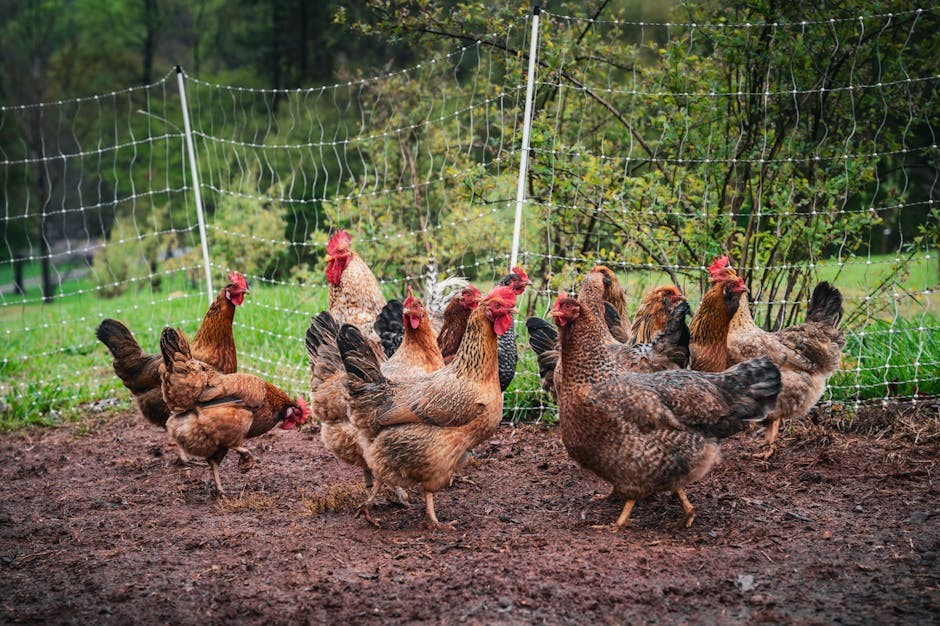
Secure coops and runs are vital! Fencing, guard animals, and strategic lighting deter predators. Macs facilitate research on local threats and effective deterrent strategies.
Identifying Common Chicken Predators
Knowing your enemies is the first step to defense. Common chicken predators vary by region, but frequently include foxes, raccoons, hawks, owls, dogs, and even snakes. Raccoons are notorious for their dexterity, easily opening coop latches. Hawks and owls pose an aerial threat, snatching unsuspecting birds. Dogs, especially those with high prey drives, can inflict significant harm. Understanding predator behaviors – when they’re most active, how they hunt – informs your protective measures. Utilizing modern technology, like Macs, allows for detailed research into local predator patterns and effective prevention techniques, ensuring a safer environment for your flock. Vigilance and proactive identification are key to minimizing losses.
Deterrent Strategies: Fencing, Guard Animals, and Lighting
Proactive defense is crucial for flock safety. Robust fencing, extending both above and below ground, deters digging predators. Guard animals, like livestock guardian dogs or even geese, offer vigilant protection. Strategic lighting, activated by motion sensors, disrupts nocturnal hunters. Combining these methods creates a layered defense. Modern Macs facilitate researching optimal fence heights and materials, guard animal breeds suited to your area, and effective lighting solutions. Remember, a well-lit and secured run significantly reduces predator risks, providing peace of mind and safeguarding your valuable chickens.
Emergency Response to Predator Attacks
Swift action minimizes losses during an attack. Immediately assess the situation, ensuring your safety first. Secure remaining chickens within a fortified coop or run. Identify the predator if possible – this informs future prevention. Check for injured birds, providing immediate first aid like wound cleaning and bandaging. Report significant attacks to local authorities or wildlife services. Utilizing modern technology, like security cameras (viewable on a Mac), aids in identifying predators and assessing damage. Prompt response and preventative measures are vital for flock recovery and future protection.
Coop Maintenance: Cleaning and Sanitation
Regular cleaning prevents disease and odors! Implement a schedule, choosing between deep litter or traditional methods for optimal hygiene and a healthy environment.
Regular Cleaning Schedule
Establishing a consistent cleaning routine is paramount for flock health. Daily tasks include removing visible droppings and soiled bedding, ensuring a dry and comfortable coop. Weekly, a more thorough cleaning is needed – remove all bedding, scrub surfaces with a poultry-safe disinfectant, and allow to fully dry before adding fresh bedding.
Monthly, inspect the coop for pests and address any issues promptly. Annual deep cleaning involves a complete dismantling and disinfection of the coop, checking for structural damage and making necessary repairs. Consistent attention minimizes disease risks and maximizes egg production, creating a thriving environment for your chickens.
Deep Litter Method vs. Traditional Cleaning
Choosing a cleaning method impacts coop management. Traditional cleaning involves complete bedding removal weekly, offering immediate sanitation but demanding labor. The deep litter method builds layers of bedding – straw, wood shavings – allowing decomposition and creating compost.
This method requires less frequent full cleans, potentially monthly or seasonally, but demands careful management to prevent ammonia buildup and pest infestations. Proper turning and addition of fresh material are crucial. Deep litter mimics natural processes, enriching the coop environment, while traditional cleaning prioritizes immediate hygiene.
Pest Control in the Coop
Maintaining a pest-free coop is vital for chicken health. Regular cleaning removes attractants for rodents and insects. Diatomaceous earth (DE) is a natural insecticide, safe for chickens when food-grade, sprinkled in nesting boxes and dust baths.
Monitor for mites and lice, treating affected birds and the coop with appropriate poultry-safe products. Secure feed storage prevents rodent access. Encourage beneficial insects like predatory mites. Consistent coop maintenance, combined with natural remedies, minimizes pest problems, ensuring a healthy flock environment.